
Maricopa County court records give the public a clear way to review criminal, civil, family, probate, and justice court case information. Users can check filings, dockets, party details, hearing schedules, and case history through the county’s online search tools. The system covers Superior Court, Justice Courts, and Municipal Courts, helping people stay informed with simple, direct results. Every record reflects official case activity and supports open review for anyone who needs reliable case details.
Maricopa County court records also include document titles, filing dates, motions, updates, and case summaries for a wide range of matters. These files help users confirm status changes, upcoming hearings, judge assignments, and important actions made in a case. The information comes directly from official court systems, giving readers a trustworthy source with clear accuracy. This focus on transparency supports public confidence and makes legal information easier to follow.
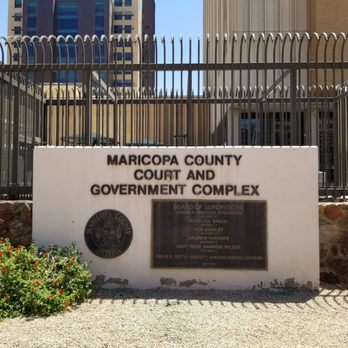
How to Search Maricopa County Court Records
A user can search Maricopa County court records quickly using online portals that allow case number lookups, party searches, and docket reviews. Even minimal details like a name or filing date can produce accurate results for public records lookup and case searches.
Searching Maricopa County records helps with search court cases and case locator needs. The following sections explain each method, the required search information, and how to access older or archived records.
Online Search Methods
Maricopa County provides multiple online portals for checking case status, reviewing filings, or confirming hearing schedules. Selecting the correct portal depends on the type of case and court level.
Superior Court Search
The Superior Court portal covers criminal, civil, probate, family, and tax cases. It allows users to search using:
- Case number lookups for the fastest, most precise results
- Party name searches when the case number is unknown
- Court calendar tools to check hearing schedules
This portal is ideal for users seeking detailed docket entries or high-level filings. Access it here: Superior Court Case Search: https://www.superiorcourt.maricopa.gov/docket
Justice Court Search
Justice Courts handle misdemeanors, traffic cases, evictions, and small claims. The Justice Court search tool is optimized for recent or minor matters. Common uses include:
- Traffic ticket lookups
- Eviction case status
- Small claims filings
- Misdemeanor case records
This tool is frequently used for routine public records lookup. Access it here: Justice Court Case Search:
https://justicecourts.maricopa.gov/app/courtrecords/casesearch
Criminal vs. Civil Databases
Maricopa County separates records into criminal and civil databases.
- Criminal databases include charges, sentencing notes, police attachments, and hearing dates.
- Civil databases cover disputes, motions, judgments, and general filings.
Required Search Details
To use the portals effectively, gather the following information:
- Case Number — The most direct way to pull the correct record.
- Party Name — Full or partial names can be used; middle initials improve accuracy.
- Attorney Name — Useful for tracking multiple cases connected to a single lawyer.
- Filing Date Range — Filters results for cases filed within a specific period.
How to Access Older Records
Older or pre-digital files may not be available online. Maricopa County keeps these in archives, microfilm, or in-person records.
Typical older records include:
- Pre-digital criminal files
- Civil cases from decades ago
- Probate and family documents on microfilm
- Scanned dockets without attached documents
Users can request these at the Clerk of Court or visit the archives. Staff assist with locating reels, boxes, or case numbers. More information: Clerk of Court Records: https://www.clerkofcourt.maricopa.gov/records
Searching Records
- Choose the Correct Portal
- Superior Court for major cases: Superior Court Case Search: https://www.superiorcourt.maricopa.gov/docket
- Justice Court for traffic, misdemeanors, and small claims: Justice Court Case Search:
https://justicecourts.maricopa.gov/app/courtrecords/casesearch - Statewide lookup for unknown court or limited info: AZ Courts Case Lookup: https://apps.azcourts.gov/publicaccess/caselookup
- Gather Search Details
- Case number, party name, attorney name, filing date range
- Perform the Search
- Enter available details
- Click on matching case results
- Review docket entries, motions, and hearing schedules
- Access Documents
- Online portals may display filings or docket summaries
- For older or sealed records, request via Clerk’s Office or archives: Clerk Electronic Records: https://eaccess.azcourts.gov
- Troubleshooting No Results
- Confirm spelling, correct court, and date filters
- Try partial names or wider date ranges
- Contact Clerk’s Office if the record is sealed, archived, or unavailable online
Case Search Table
| Court / Portal | Description | URL |
|---|---|---|
| Superior Court docket / case search portal | Civil, criminal, family, probate case search | https://www.superiorcourt.maricopa.gov/docket/index.asp |
| Justice Court case search | Limited-jurisdiction, misdemeanors, traffic, small claims | https://justicecourts.maricopa.gov/app/courtrecords/casesearch |
| General public case lookup portal | Statewide / county case search via Arizona Judicial Branch | https://apps.azcourts.gov/publicaccess/caselookup.aspx |
| Clerk of Court — record access | Record access and online request info | https://www.clerkofcourt.maricopa.gov/records |
| Electronic court record access | For parties to a case | https://eaccess.azcourts.gov/EAccess |
| Vital Records Office | Birth, death certificates | https://www.maricopa.gov/530/Vital-Records |
What Are Maricopa County Court Records?
Maricopa County court records are official documents that detail legal proceedings in the county. They provide verified information about cases, including filings, hearings, and judicial decisions.
Court records are essential for checking the status of civil or criminal matters, reviewing court orders, or tracking legal actions. They allow users to obtain accurate case summaries, docket details, and official filings maintained by the county judiciary. Many of these records are available online, making it easier to conduct a court documents search or gain record access without visiting the courthouse.
Types of Records You Can Access Online
Maricopa County provides access to several types of court records. Each category contains specific details that help individuals, attorneys, or researchers follow case developments efficiently.
Criminal Case Files
Criminal records include documents for misdemeanors, felonies, and other offenses. These files typically contain:
- Arrest information
- Charges and indictments
- Court dates and hearings
- Sentencing records and judgments
Civil Lawsuits
Civil court records cover disputes between individuals or organizations. Users can find:
- Complaint filings
- Motions and responses
- Judgments or settlements
- Case summaries and docket sheets
Family Court Matters
Family court records include sensitive matters like custody, divorce, and domestic relations. Records may contain:
- Divorce petitions and decrees
- Child custody and support agreements
- Adoption filings
- Guardianship requests
Probate & Guardianship
Probate records deal with estate administration and guardianship cases. Documents often include:
- Wills and estate inventories
- Probate petitions and approvals
- Guardianship appointment documents
- Estate distribution records
Traffic & Misdemeanor Cases
Records for traffic violations or minor offenses include:
- Citation details
- Court appearances
- Fines or penalties issued
- Payment or compliance history
Court Orders, Judgments, Warrants
This category includes official legal actions issued by a judge or court. Users can access:
- Bench and temporary orders
- Civil and criminal judgments
- Warrants for arrests or property seizures
- Enforcement actions
Accessing Maricopa County Criminal Court Records
Criminal court files in Maricopa County can be reviewed through official court portals or by visiting court offices. Anyone seeking details on felony or misdemeanor cases can locate relevant information using case numbers and public records.
How to Find Criminal Case Numbers
A criminal case number serves as a unique identifier for every court case. To find a case number in Maricopa County:
- Check court documents received via mail or email after filing.
- Search the Maricopa County Superior Court docket online using the defendant’s name or case type.
- Contact the court clerk directly for assistance if records are not available online.
Criminal case numbers typically follow a standard format that includes the year, case type, and sequence number. Having this number simplifies searches for felony cases or misdemeanor search results.
Access Levels: Public vs. Restricted Records
Maricopa County divides criminal court records into public and restricted categories:
| Access Level | What Can Be Viewed | Notes |
|---|---|---|
| Public Records | Felony and misdemeanor case filings, hearing schedules, docket entries | Usually available online or at the court clerk’s office |
| Restricted Records | Juvenile cases, sealed cases, sensitive personal data | Requires a formal request and approval from the court |
Searching Felony and Misdemeanor Cases
- Use full legal names and correct spelling to improve search results.
- Narrow results by case type or year if too many records appear.
- For historical cases, consider contacting the court archives or reviewing microfilm records available at the courthouse.
Accessing Civil Court Records in Maricopa County
Civil records in Maricopa County can be viewed through the county’s official court portals. These records include filings, case histories, and civil lawsuit information that the public can examine.
Maricopa County maintains detailed civil court records for cases such as contract disputes, personal injury claims, property disagreements, and other non-criminal matters. Citizens, legal professionals, and researchers often need this information to review ongoing cases or obtain historical filing data. Civil court records are generally public, though some sensitive information may be redacted for privacy.
How to Search Civil Records in Maricopa County
To perform a civil docket search, the Maricopa County Superior Court provides an online portal where users can search by case number, party name, or filing date. Using the search tools effectively allows users to find details like:
- Case type and status
- Names of plaintiffs and defendants
- Court orders and rulings
- Hearing dates and court schedules
Step to Civil Lawsuit Filings Lookup
- Visit the Maricopa County Superior Court Civil Case Search.
- Enter the case number if known, or use the party name search.
- Filter by filing dates or case type for more precise results.
- Review the case summary, including motions, orders, and judgments.
- Download documents or request certified copies through the court clerk if needed.
Types of Civil Cases Documented
Civil records cover a broad range of non-criminal legal matters, including:
- Contract disputes – Breach of contract and related claims
- Property disputes – Land, real estate, or tenant/landlord cases
- Personal injury claims – Cases involving injury or damages
- Small claims – Claims for limited monetary amounts
- Business litigation – Disputes between businesses or corporations
Efficient Civil Docket Searches
- Use exact names: Spelling errors can prevent accurate search results.
- Check multiple filings: Some cases may have companion cases or related appeals.
- Note hearing dates: Reviewing court schedules can provide insight into case progress.
- Use official portals: Only official court websites guarantee current and accurate records.
Fees, Copies & Certified Records
Court filing info, including fees and how to obtain copies or certified records, varies depending on the type of case and the court. Most courts charge a nominal fee for standard copies, with additional costs for certified records.
Obtaining court documents often requires payment of specific document fees. Standard copies are generally inexpensive, while certified copies—which serve as official proof for legal or administrative purposes—carry higher fees. These costs help maintain accurate record-keeping and support the operational needs of the county judiciary.
Standard Copies and Their Costs
Most courts provide two main types of copies: regular and certified.
- Regular copies: Useful for personal records, research, or non-official purposes. Typical fees range from $0.50 to $1.00 per page, depending on the court.
- Certified copies: Required for legal submissions, property transactions, or official documentation. Fees usually start around $5 to $10 per document, with additional charges for multiple pages.
How to Request Certified Records
Certified records confirm the authenticity of a court document. Courts generally require:
- Document identification – case number, parties involved, and filing date.
- Request form – available at the court clerk’s office or online portal.
- Payment of fees – according to the type of record and number of pages.
Tips for Managing Document Fees
- Confirm fees on the official county court website or by calling the clerk’s office.
- Request multiple copies at once to save on handling costs.
- Keep receipts for any official transactions to avoid future disputes.
Example Table: Typical Court Document Fees
| Document Type | Standard Copy Fee | Certified Copy Fee |
|---|---|---|
| Civil Case Filing | $0.50/page | $7/document |
| Criminal Case File | $1/page | $10/document |
| Family Court Records | $0.50/page | $8/document |
In‑Person Record Requests
When someone prefers to view or obtain civil court records in person, the public may visit one of several Maricopa County Clerk of the Superior Court offices or courthouses. These offices support walk‑in requests, or in some cases appointments, for civil records, filings and certified copies.
Main Court & Clerk Offices for Walk‑in / In‑Person Requests
| Facility / Court Location | Address | Notes / Services Offered |
|---|---|---|
| Central Court Complex – Downtown File Counter | 201 W Jefferson St., Phoenix, AZ 85003 | Civil filings, record inspection, non‑criminal filings. |
| Customer Service Center (Clerk Office) | 601 W Jackson St., Phoenix, AZ 85003 | Public records requests, certified copies, general information. |
| Northeast Regional Court Center | 18380 N. 40th St., Phoenix, AZ 85032 | Regional access point for court records — convenient for northeast‑area residents. |
| Northwest Regional Court Center | 14264 W Tierra Buena Lane, Surprise, AZ 85374 | Regional access point for court records in northwest Maricopa County. |
| Southeast Regional Court Center | 222 E Javelina Ave., Mesa, AZ 85210 | Regional access point for court records for southeast‑area residents. |
What to Keep in Mind for Walk‑in Requests
- Offices generally accept walk‑in record inspections Monday through Friday, during regular business hours (typically 8:00 AM to 5:00 PM).
- Some services — such as filing non‑criminal civil documents or requesting marriage licenses — may require an appointment. When possible, appointments are recommended to reduce waiting time.
- Those requesting certified copies or official records should bring a valid photo ID and any case reference information (case number, party names, filing date) for easier lookup.
- In many cases, documents will be available for inspection on‑site. To obtain certified copies or official filings, the visitor may need to complete a request form and pay any applicable fees.
Why Use In‑Person Requests Instead of Online Search
- Some older case files or documents may not have been digitized. In‑person visits ensure access to full archives.
- For certified copies needed for legal, business, or personal purposes, in‑person requests at the Clerk’s office often remain the standard method.
- Staff at the clerk’s office can assist — especially useful if the visitor is unsure of case numbers, dates, or correct spelling of names.
Maricopa County Court Forms & Filing Information
Maricopa County provides a variety of court forms and filing options for civil, criminal, family, and probate cases. Residents can obtain forms online or at the courthouse and follow clear filing procedures for submitting documents.
Court forms in Maricopa County are designed to meet legal standards for each case type. Filing requirements vary depending on whether the case is civil, criminal, or family-related. For civil matters, standard forms include complaints, petitions, motions, and affidavits. Family court forms cover divorce, child custody, and support cases, while probate forms handle wills and estate matters.
How to Access Maricopa County Court Forms
- Online Portal: The Maricopa Superior Court website offers downloadable forms for most case types.
- In-Person: Forms are available at the Clerk of Court’s office for those who prefer physical copies.
- Self-Service Kiosks: Some court locations have kiosks for printing forms on-site.
Filing Procedures and Requirements
Each form typically includes instructions on fees, deadlines, and supporting documents. Filing can be completed either in person or electronically, depending on the court division.
- Civil Filings: Complaints and motions require a filing fee, proof of service, and signed copies.
- Criminal Filings: Defendants and attorneys submit forms through the criminal division, following strict deadlines.
- Family Filings: Divorce and custody petitions must include personal information, verification statements, and any required attachments.
- Probate Filings: Wills, letters of administration, and estate petitions follow specialized formatting rules.
Tips for Correct Filing
- Double-check form numbers and case types before submission.
- Ensure all required signatures are included.
- Include all necessary attachments, such as supporting evidence or financial statements.
- Retain copies for personal records.
Legal Forms and Resources
Maricopa County maintains an organized library of forms categorized by civil, criminal, family, and probate cases. LSI-related resources include:
| Case Type | Common Forms | Filing Notes |
|---|---|---|
| Civil | Complaint, Motion to Dismiss, Summons | Filing fee required; must serve defendant |
| Criminal | Bail Bond, Motion to Suppress, Notice of Appearance | Deadlines are strict; attorney often required |
| Family | Petition for Divorce, Child Support Worksheet, Custody Agreement | Must include verification; confidential info may apply |
| Probate | Petition for Probate, Will, Inventory of Estate | Special notarization may be required |
Court Dockets & Case History
Court dockets and case history provide official records of legal proceedings and scheduled court activities. They allow the public, attorneys, and researchers to track case developments and monitor updates in civil or criminal matters.
Understanding case history and gaining court docket access helps users follow legal timelines and important filing information. A court docket lists all upcoming hearings, motions, and procedural steps for individual cases, offering a transparent view of the judicial process.
What Is a Court Docket?
A court docket is an official log maintained by the court that tracks cases from filing to resolution. Each entry in the docket typically includes:
- Case number and type (civil, criminal, family, probate, etc.)
- Names of parties involved
- Scheduled hearing dates
- Status updates on motions, rulings, and filings
Docket entries are updated regularly to reflect new developments, ensuring that anyone monitoring a case can follow its case schedule. Courts often provide both online and in-person access to these records.
Key Benefits of Using Court Dockets:
- Transparency: Users can track case progress and check scheduled hearings.
- Planning: Attorneys and litigants can prepare for upcoming dates.
- Historical Reference: Researchers and the public can review past decisions.
How Case History Works
A case history includes all recorded events in a case, from the initial complaint to the final judgment. This record helps establish the procedural flow and provides insight into court decisions.
Users can explore:
- Filing dates for complaints, answers, or motions
- Hearing outcomes and judicial rulings
- Appeals, continuances, or dismissals
- Judge assignments and case updates
Accessing Court Docket Information
Court dockets are generally public records, though access may vary by jurisdiction. Common ways to obtain docket and case history information include:
- Online Court Portals: Many county courts maintain searchable databases where users can look up cases by name, case number, or filing date.
- Clerk’s Office: Physical copies of court dockets and case files can often be requested from the court clerk.
- Third-Party Services: Some subscription-based platforms provide comprehensive case tracking and docket updates across multiple jurisdictions.
Using Court Docket Data:
- Check frequently for updates to ensure accurate information.
- Use the official court case number to avoid confusion with similar cases.
- Review docket entries in chronological order for a clear case timeline.
Docket Updates and Case Schedules
Docket updates reflect changes in hearings, motions, or filings. Courts typically update their dockets daily, making timely monitoring critical for legal professionals.
A case schedule can include:
- Initial hearings and arraignments
- Motion deadlines and status conferences
- Trial dates and final rulings
Keeping track of these schedules helps ensure that parties are informed of upcoming legal obligations and prevents missed court appearances.
Additional Considerations:
- Civil cases often have longer timelines with multiple pre-trial motions.
- Criminal cases may update more frequently, especially when new motions or plea agreements occur.
- Some courts provide email notifications or RSS feeds for automatic docket alerts.
Limitations & Protected Records
Certain court records are restricted to protect privacy and legal rights. Sealed records and expunged records are not publicly available and require specific authorization to view.
Court systems classify some records as protected to prevent misuse of sensitive information. Sealed records typically include juvenile cases, adoption records, and cases involving minors or sensitive personal data. Expunged records occur when a court formally removes a criminal record from public access after a legal process. Both types of records serve to shield individuals from potential discrimination or privacy breaches.
Types of Protected Records
- Sealed Records:
- Restricted access for most public and media inquiries.
- Common in cases involving juvenile offenders, family law disputes, and sensitive civil matters.
- Requires a court order or legal petition to gain access.
- Expunged Records:
- Officially erased from public databases after eligibility criteria are met.
- Often applies to minor criminal offenses, dismissed charges, or cases where rehabilitation has been demonstrated.
- Access is limited to law enforcement, certain employers, or government agencies with legal justification.
Key Limitations
- Public Access Restrictions: Individuals cannot search these records through standard court portals.
- Legal Consequences: Unauthorized attempts to access sealed or expunged files can carry penalties.
- Time-Based Restrictions: Some records may only become protected after a specific period following case closure.
How Courts Handle Protected Records
Courts maintain strict protocols for storing and controlling sensitive files. For example:
| Record Type | Typical Access | Retention Notes |
|---|---|---|
| Sealed Records | Court order only | Retained indefinitely but hidden from public searches |
| Expunged Records | Law enforcement and certain agencies | Removed from public databases after expungement approval |
Frequently Asked Questions
Maricopa County court FAQs provide answers to common questions about civil, criminal, and family case records. Users can obtain essential information on procedures, record availability, and official resources.
This section clarifies common concerns and helps residents and legal professionals find court information efficiently. The FAQs cover everything from search methods to document requests, making the process easier for anyone interacting with Maricopa County courts.
How can someone check Maricopa County civil court records?
Civil court records in Maricopa County are searchable online through the Superior Court docket system. Users can also request records in person at the courthouse.
The Maricopa County Superior Court maintains detailed civil case records, including lawsuits, judgments, and case filings. Users can access civil docket search tools via the official Superior Court portal. Key tips:
- Enter the party name, case number, or filing date for accurate results.
- Some older or sealed records may require an in-person request at the courthouse.
- Fees may apply for certified copies or printed documents.
Are criminal court files publicly available in Maricopa County?
Many criminal court files are publicly accessible, but certain records may be restricted to protect privacy. Court clerks determine access based on state laws.
Criminal case records include misdemeanors, felonies, and traffic violations. Users can:
- Search Justice Court case records for limited jurisdiction cases online.
- Visit the courthouse for full criminal files or for documents unavailable online.
- Check if records are sealed or expunged, which may limit public access.
Can family court records be searched online?
Some family court records are available online, but access is often limited to protect sensitive information. Certain documents may require a formal request at the court.
Family court records include matters like divorce, child custody, and adoption. The online search portal may show basic case information, but details like financial arrangements or minor records are typically confidential. Users can:
- Visit the Family Court section for case lookup.
- Submit a written request for detailed records if legally eligible.
- Consult court clerks for guidance on access restrictions.
What is the process for requesting certified court documents?
Certified copies can be requested online, by mail, or in person. Fees and identification are required for official certification.
Certified copies are official documents used for legal, professional, or personal purposes. The process usually involves:
- Identifying the case number or record type.
- Completing a request form online or at the courthouse.
- Paying the applicable fee (often $5–$15 per page).
- Providing valid identification for processing.
How often are Maricopa County court records updated online?
Court records are updated daily, but some filings may appear online after a short delay. Real-time updates depend on court processing and docket management.
The Superior Court docket system reflects new filings, case resolutions, and scheduling changes. Users should note:
- Online records may not reflect the most recent hearings immediately.
- Always confirm critical details with the court clerk before relying on them for legal actions.
- Notifications or alerts can be set for case updates via online portals.
Can anyone access court records, or are there restrictions?
Most Maricopa County court records are public, but privacy rules limit access to certain cases. Minors, sealed, and sensitive records have restricted visibility.
Restrictions apply to:
- Juvenile court cases
- Adoption proceedings
- Sealed or expunged criminal records